When warehouse yard drains overflow during heavy rain, check whether water is accumulating around one drainage point, several connected gullies or across the wider yard. This distinction helps determine whether a local obstruction, downstream restriction or limitation in the rainwater drainage system may be responsible. The fact that flooding occurs during heavy rainfall does not, by itself, identify a blocked gully.
Record where and when yard water accumulates
A warehouse yard may include loading bays, vehicle routes, parking areas, storage zones and several different surface water drainage points. The location and movement of standing water are therefore as important as the depth of flooding.
Record the problem during or shortly after a rainfall event, from a safe location that does not expose staff to moving vehicles or unstable drainage covers. Useful observations include:
- Which loading bays, entrances or vehicle routes become affected.
- Whether water collects around a particular gully or along a wider low point.
- Whether the flooding begins during moderate rainfall or only intense downpours.
- How quickly water recedes once rainfall becomes lighter.
- Whether neighbouring drainage points are accepting water normally.
Photographs taken from consistent positions can help compare separate incidents. Note the date, approximate rainfall conditions and any interruption to vehicle movements or loading operations.
For warehouse yard flooding that regularly affects the same area, compare these observations with the yard’s drainage drawings and surface levels. Water naturally travelling towards a low point is not necessarily evidence that the nearest visible gully is obstructed.
Compare local gullies with downstream drainage
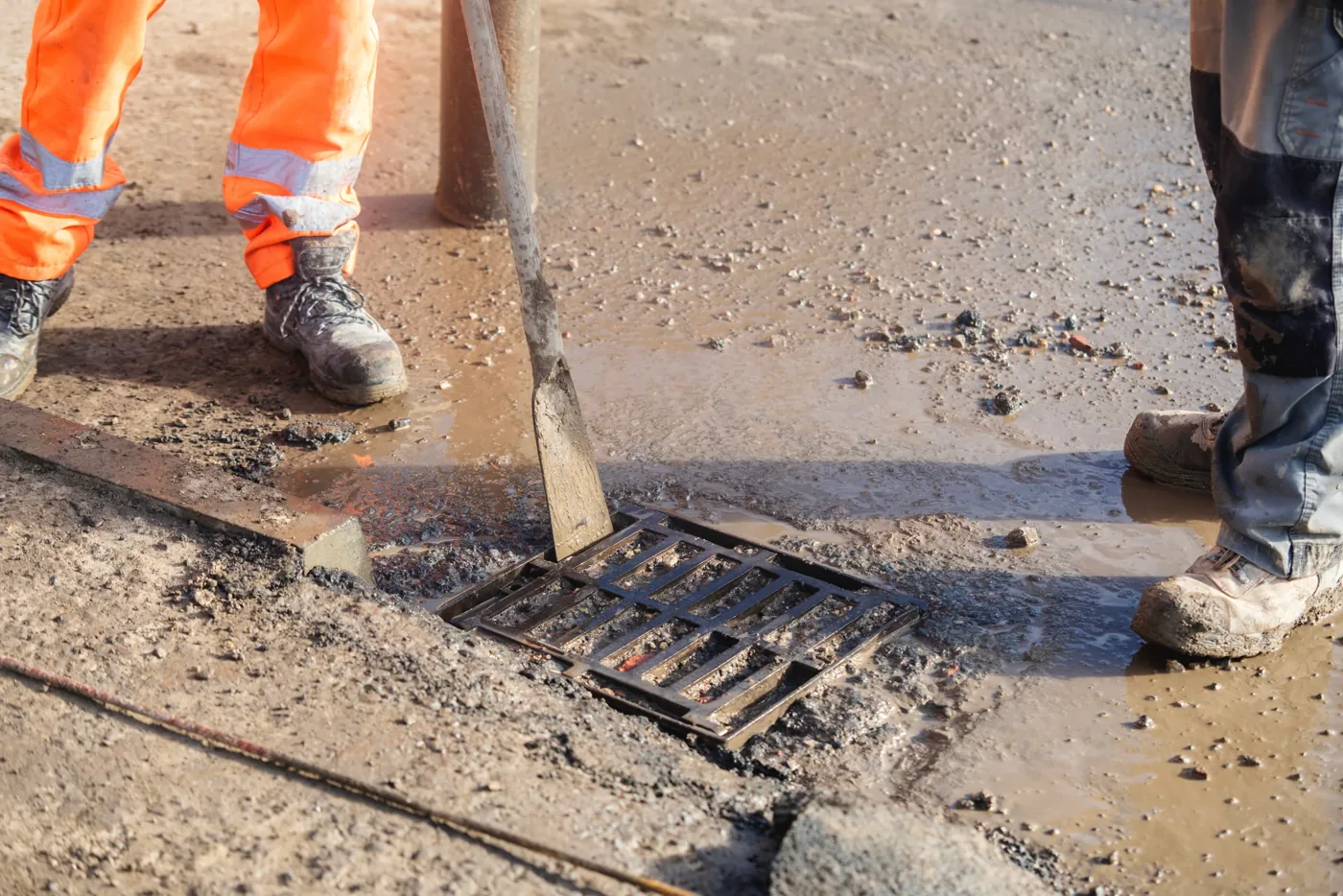
Surface water gullies collect runoff from hardstanding areas and direct it into connected drainage. Leaves, packaging fragments, windblown debris and sediment can accumulate around the inlet or within the gully, restricting the amount of water entering the system.
Where one gully consistently overflows while others function normally, a local obstruction is a reasonable possibility. The guide to leaves and outdoor gullies explains how ordinary debris can contribute to these restrictions.
A different pattern arises when several drainage points overflow together. They may connect to a shared pipe that cannot discharge freely because of a downstream restriction. Alternatively, the system may be unable to accommodate the runoff generated during a particularly intense storm.
These explanations require different responses. Clearing a gully can restore the entry of water where debris is the problem, but it cannot increase the designed capacity of the entire drainage network.
Where flooding occurs only during exceptional rainfall and no obstruction is found, a wider drainage capacity assessment may become relevant. That is a separate question from determining whether existing gullies require clearance.
Check the yard’s drainage arrangement
Not every yard drain necessarily carries the same type of water. Depending on the site, there may be surface water drains, foul connections, combined drainage or systems incorporating interceptors and other treatment arrangements.
The Environment Agency’s guidance on business drainage in England recommends maintaining a drainage plan identifying drain types, routes and discharge destinations.
This is especially relevant where yard runoff could contain fuel, oil or other contaminants from vehicle activity. Floodwater and drainage obstructions should not be treated as an opportunity to redirect potentially contaminated water into an unverified outlet.
Existing plans may also help identify the connection between individual gullies and shared downstream runs, reducing uncertainty about the area requiring examination.
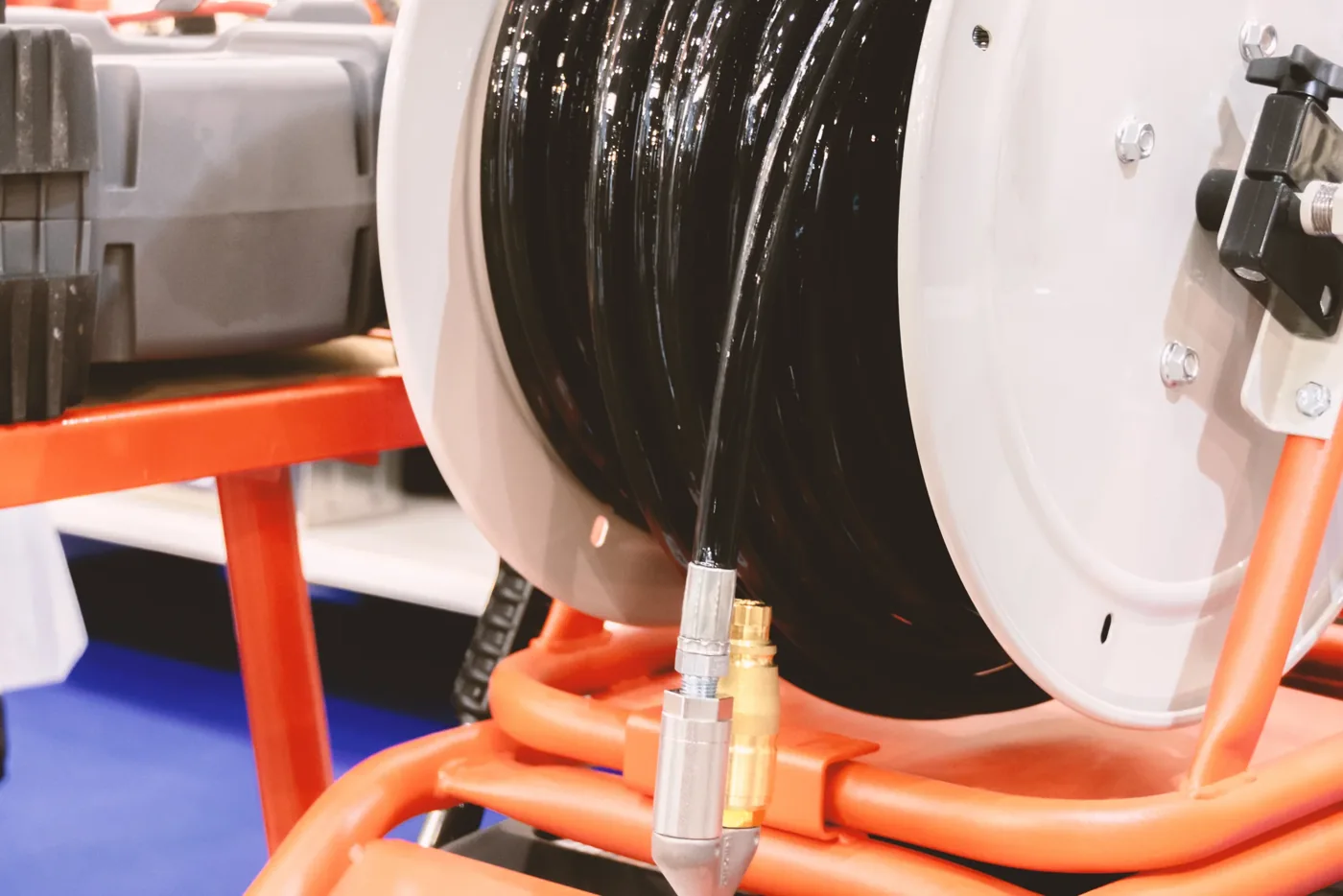
Prepare for a clearance visit
Before arranging a blocked gully assessment and clearance, identify the affected drainage points and provide photographs or a marked yard plan where available. Explain whether the flooding blocks HGV routes, loading operations, pedestrian access or emergency vehicle access.
Also identify any chambers or drainage features located in active traffic areas. Access arrangements may require temporary restrictions on parking or vehicle movements so the relevant drainage can be examined.
After an obstruction is removed, compare drainage performance during subsequent rainfall rather than assuming the original problem has been fully explained. If clean, unobstructed gullies still overflow across the yard, the next question concerns downstream performance or rainwater capacity, not simply repeated removal of visible debris.