Use the symptoms to locate the affected drainage
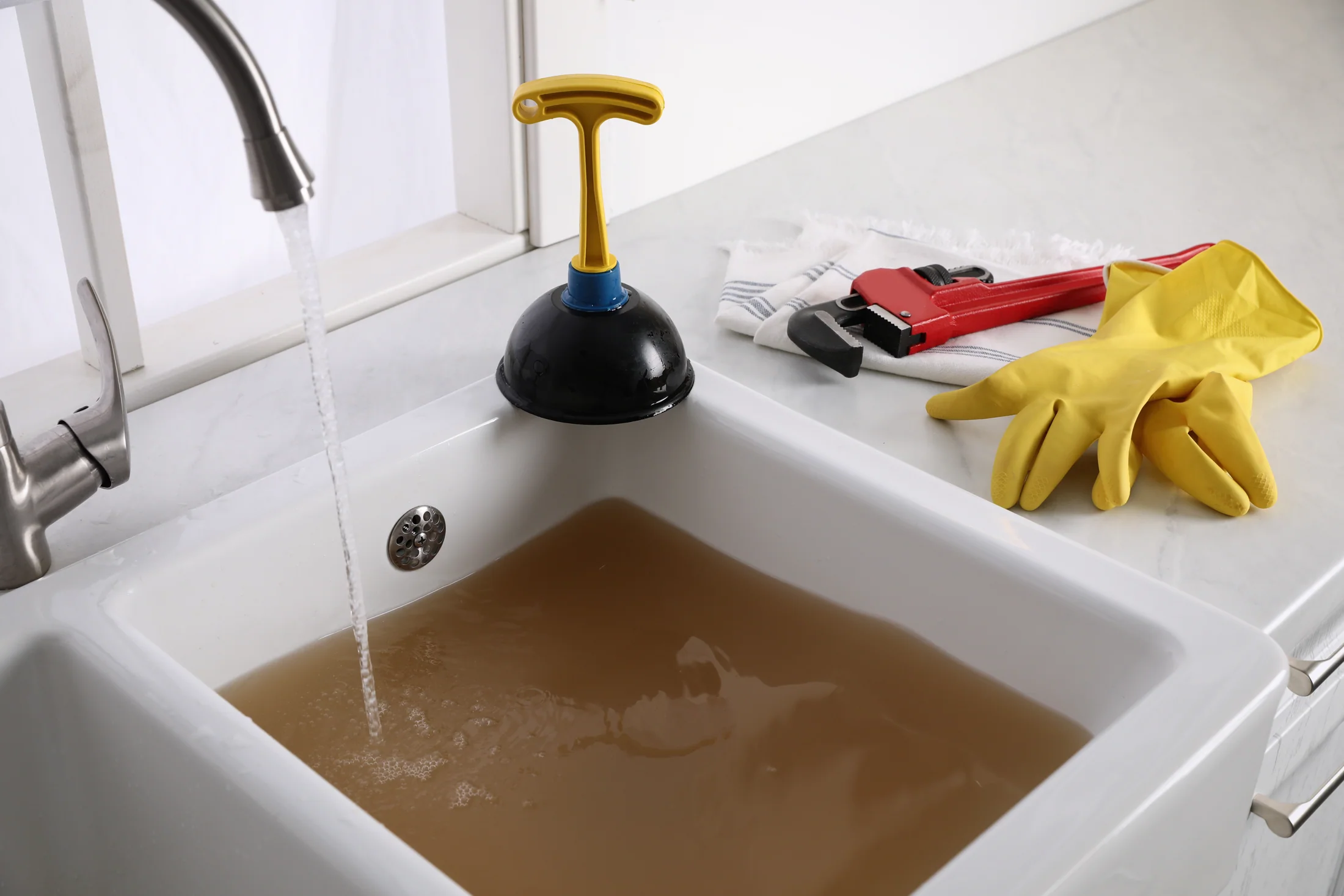
Note which fixtures are affected and whether the problem occurs continuously or only when another outlet is used. A single slow sink may involve local waste pipework, while several fixtures affected together can indicate a restriction farther downstream. These patterns guide investigation; they do not establish the cause on their own.
The history also matters. Explain when the problem began, whether it has happened before and what work has already been attempted. A recurring restriction needs a different conversation from a first occurrence with an obvious obstruction, especially where previous clearance only restored flow briefly.
Match the clearance method to the pipe and obstruction
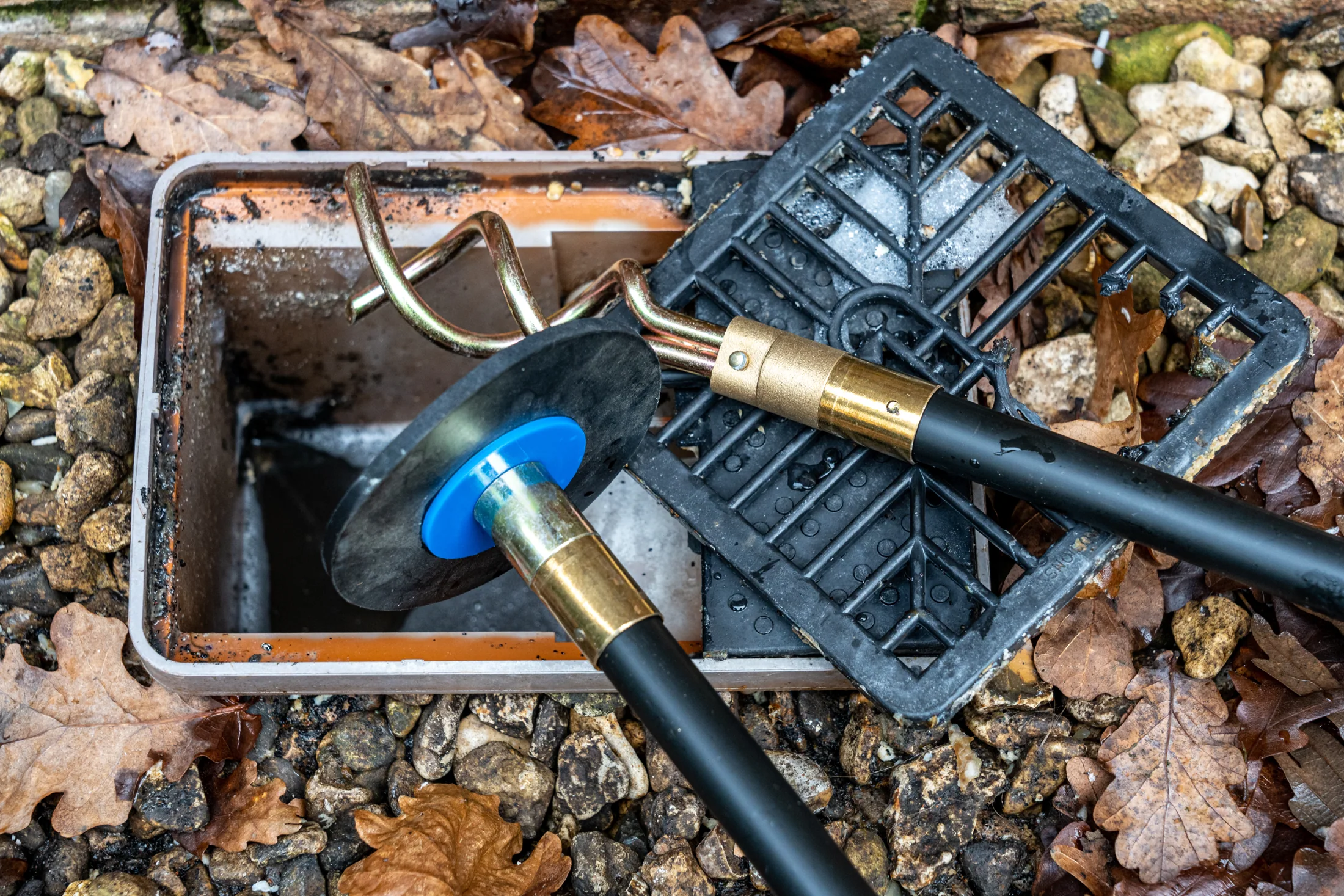
Drain rods, mechanical clearance and water jetting are different approaches to removing a restriction. The appropriate method depends on the material, pipe layout, available openings and the condition of the drainage. The same treatment is not suitable for every fixture or length of pipe.
Access affects how the obstruction can be reached and where removed material can be recovered. Describe chambers, gullies or other known access points in the enquiry, together with any restrictions around the property. The working approach needs to take account of occupied areas and the route between the access point and equipment.
Distinguish restored flow from a resolved recurring fault
Flow checks help establish whether water can pass through the cleared route. They do not by themselves explain why deposits accumulated or demonstrate the condition of every connected pipe. Where the same symptoms return, further cleaning or an inspection may be relevant to the next decision.
Damage, displaced joints, roots and recurring deposits require different responses. A camera inspection, where appropriate and possible, can provide additional evidence about the visible condition. Separate any proposed repair or survey from the immediate clearance scope so each part of the work is understood.
Choose the service for the situation
An outside drain overflowing at a gully may require investigation of the connected drainage rather than the gully alone. Repeated blockages in the same run can indicate a continuing restriction or a defect that ordinary clearance does not resolve. Waste pipes within the building, underground drainage and shared connections present different access and investigation considerations.
For commercial premises, include operating hours, access restrictions and which facilities are affected. For shared drainage, describe the known connections and any information about the pipe route. Responsibility for a drain can depend on its location and ownership, so an assumption based solely on the nearest property may be incomplete.
Provide a clear brief for the drainage enquiry
The location of affected outlets, duration of symptoms and any wastewater returning through other connections help establish the extent of a problem. Existing drainage plans can indicate the expected route, while visible chambers and gullies can provide practical access. Where plans are incomplete or outdated, the actual arrangement may need to be established during investigation.
Agree the required work and what the completion check will cover. If further investigation is recommended, the reason should connect to an observed condition or an unresolved symptom. Any separate survey or repair needs its own defined scope.