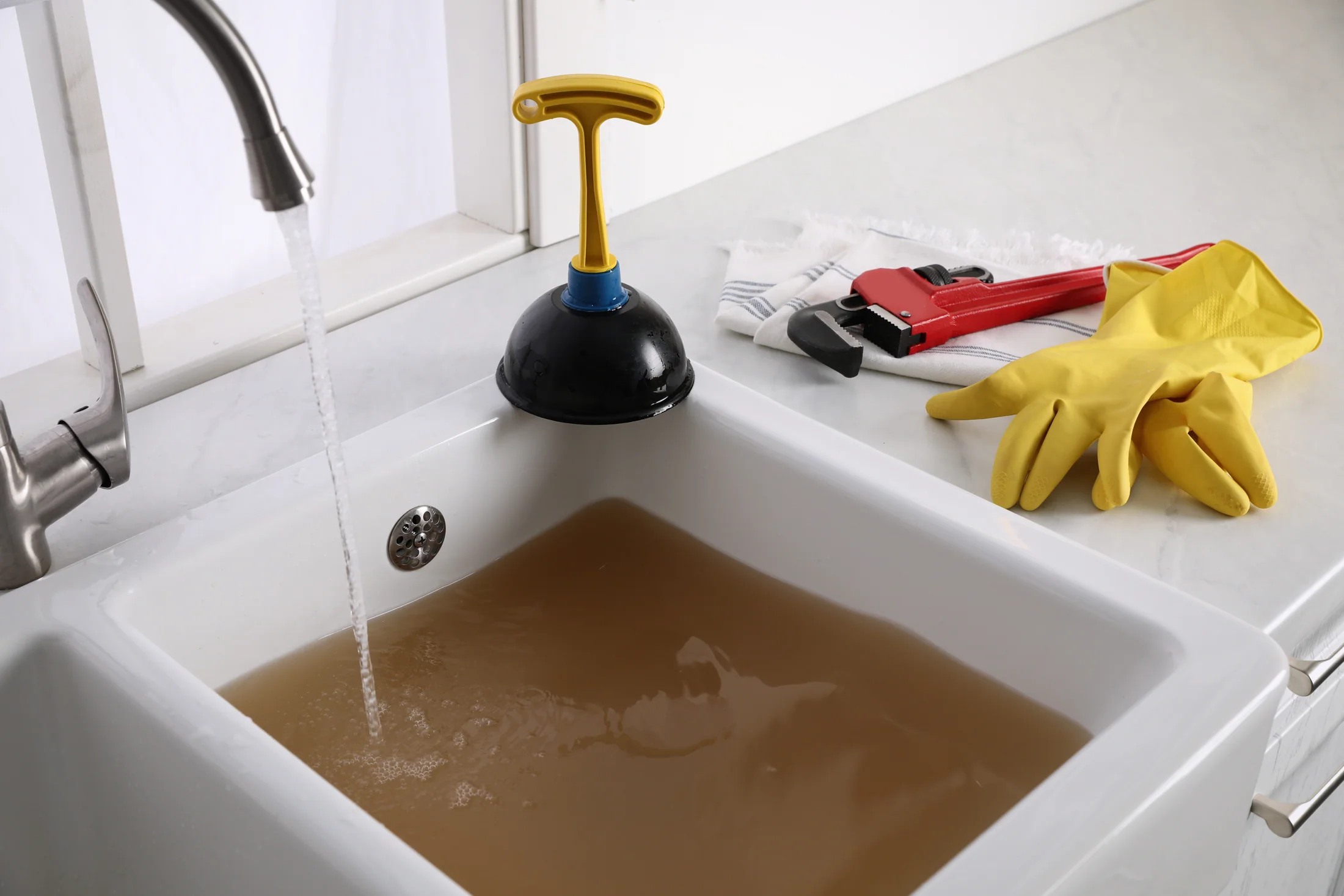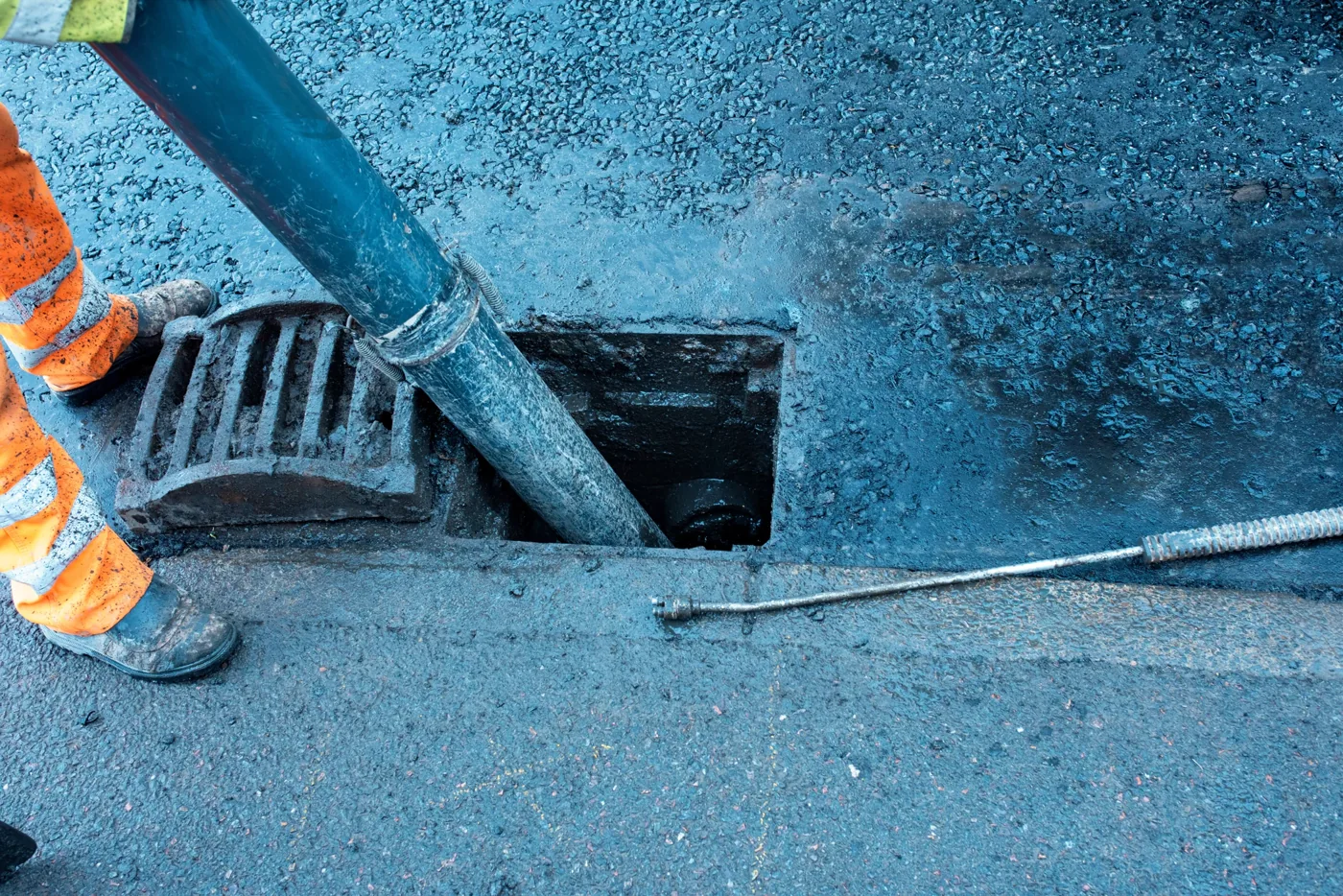
When several flats have recurring drain blockages, keep one incident history for the building as well as the individual residents’ reports. Record when each event happened, which fixtures and floors were affected, where clearance work took place and what was found. This helps distinguish one shared incident reported by several people from separate blockages requiring different investigations.
Separate complaints from drainage events
Five reports received on the same morning do not necessarily represent five separate blockages. Give each apparent incident a reference and link the residents’ observations to it. Keep the original times, because the order in which symptoms appeared can help explain how an event developed.
A block drainage incident log can include the date, affected flats and floors, fixture, observed symptom, contractor attendance and outcome. Describe what happened in plain terms, such as water returning into a shower tray or several toilets failing to empty. Avoid replacing those observations with an unconfirmed diagnosis.
Retain distinctions between repeated symptoms. A smell reported a week after a clearance may have a different cause from the earlier restriction. Linking the reports is useful; treating them as proof of the same fault is premature.
Connect each attendance with a location
Ask the clearance record to identify the access point and pipe section reached. Use the building’s existing chamber or stack references where available. Descriptions such as ‘outside drain cleared’ make it difficult to establish whether successive contractors attended the same run.
Record the material observed or removed only where the contractor has identified it. Keep reported findings separate from residents’ suggestions about the cause. The location where a blockage was cleared does not automatically identify which flat introduced the material.
For block management drainage services, this combined history can help focus the next attendance. Include earlier reports and relevant footage, rather than sending only the most recent complaint and losing the pattern.
Keep access and responsibility clear
Shared drainage access may involve locked courtyards, plant rooms, risers or occupied flats. Record who can arrange access and any restrictions that affected previous visits. An attendance that could not reach the relevant section should not be recorded as a completed investigation of that section.
Establish which pipe section is affected before assigning the next action. Buckinghamshire Council’s drainage guidance distinguishes internal plumbing and private drains from lateral drains and sewers maintained by water companies. That distinction helps identify who maintains the drainage asset, but it does not by itself establish which flat or leaseholder should pay for the incident. Keep the location evidence separate from any later decision about costs under the building’s arrangements.
Use the history to identify the next question
Compare incidents by location, interval and clearance outcome. If flow repeatedly returns after work at the same point, the useful next question is why that section keeps restricting. Possible investigation needs differ from a case where separate stacks have unrelated local obstructions.
Recurring expenditure alone does not prove structural damage or establish that the entire system needs replacement. Ask the contractor to explain what the existing findings support and what remains uncertain. Record the agreed next action against the incident history.
After further work, update both the building log and the affected residents’ reports. A clear closeout records the observed outcome and any outstanding investigation, so the next manager does not have to reconstruct the same sequence from emails and invoices.