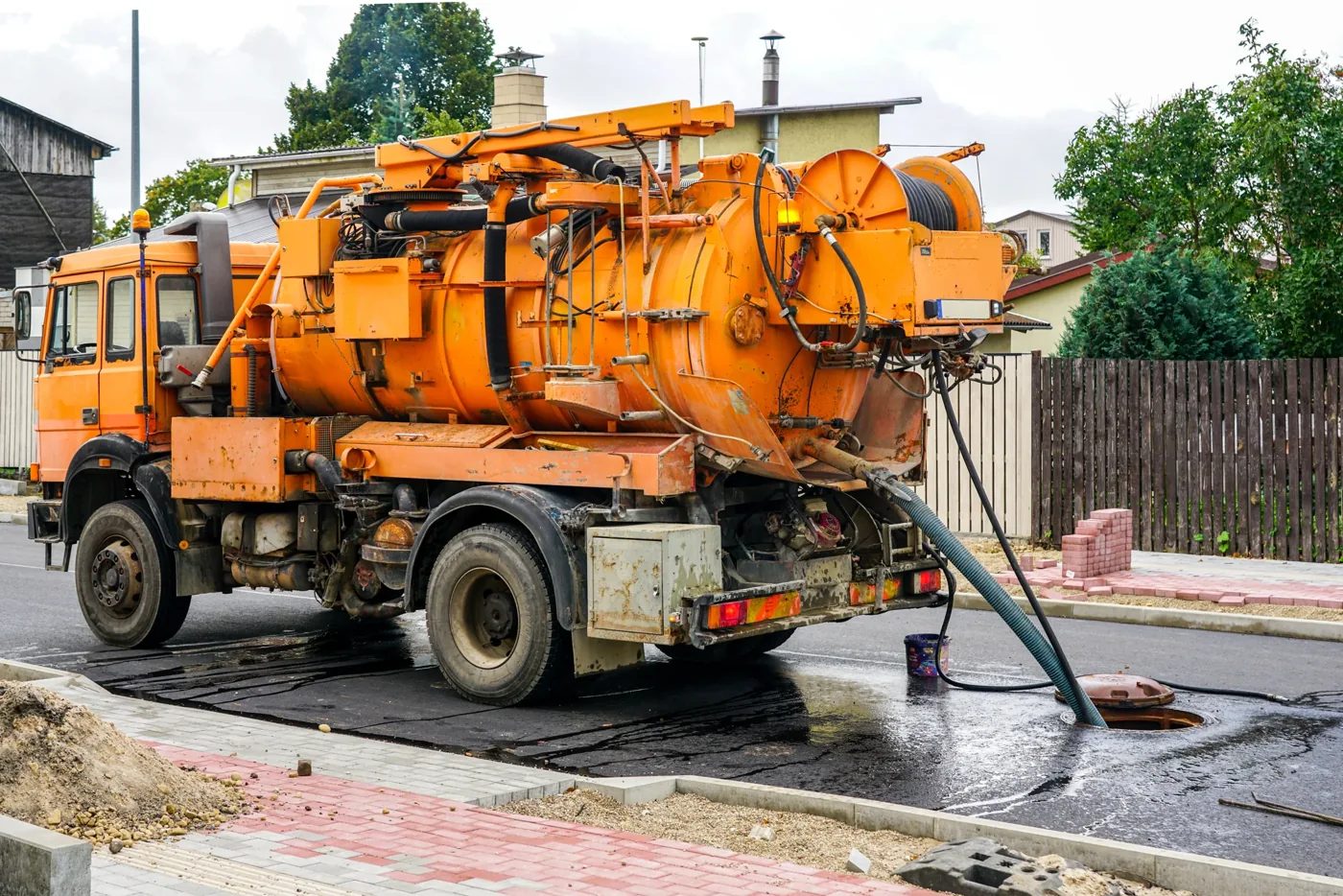
Before requesting emergency drain unblocking, a facilities manager should record which outlets are affected, what is backing up or overflowing, when the problem started and how the drainage area can be accessed. These details help establish the extent of the incident and identify which parts of the drainage system may be involved.
A report does not need to establish the exact cause. It needs to distinguish an isolated blocked fixture from a wider drainage failure, explain the immediate effect on the premises and identify any restrictions on access or operations.
Record the affected facilities and type of backflow
Start with the location and number of affected fixtures. Identify the building, floor, room or external area using names that a visiting drainage specialist can recognise.
Record whether the problem involves:
- One toilet, urinal, sink or floor drain that has stopped emptying.
- Several affected fixtures within the same washroom or service area.
- Wastewater rising through a floor drain when another fixture is used.
- An external gully or inspection chamber overflowing.
- Sewage backflow affecting occupied rooms, corridors or operational spaces.
Describe what the water is doing rather than simply reporting a blockage. Is it standing at the outlet, draining slowly, rising intermittently or escaping onto the floor? Note any visible solids, unusual colour or odour without attempting to identify the material by appearance alone.
The sequence matters too. If a toilet began overflowing immediately after another fixture was used, record that connection. Where several outlets are affected simultaneously, the restriction may be further along shared drainage rather than immediately beneath one fixture.
Note accessible drainage information and incident location
Use existing site drawings, maintenance records and observations from safe accessible positions to identify the likely drainage route. Relevant information includes nearby inspection chambers, the location of external gullies and whether other parts of the premises are draining normally.
If an inspection chamber has already been checked by an authorised person, report whether it appeared full, partly filled or free-flowing. Do not arrange for an untrained employee to lift a heavy cover or enter a chamber to collect this information. An unobserved chamber condition can simply be recorded as unknown.
For sites in England, drainage responsibility may differ between private drains, lateral drains and public sewers. Buckinghamshire Council’s drainage responsibility guidance explains these distinctions. A site boundary alone does not establish ownership of every underground pipe.
If available, provide a marked drainage plan showing the affected area. Where there is uncertainty over the responsible asset, the existing blocked drain responsibility guide provides further context.
Communicate operational restrictions in the enquiry
An emergency report should also explain what the blockage prevents the premises from doing. A toilet restriction in a single vacant office has different operational consequences from sewage entering an occupied ground-floor washroom or a drain serving an essential working area.
Record the following practical arrangements:
- Whether affected facilities have been taken out of use.
- Whether wastewater has reached electrical equipment, stored goods or occupied areas.
- Any closed rooms, isolated work zones or restricted pedestrian routes.
- The available vehicle entrance and any height, weight or parking restrictions.
- Which authorised person can provide access to plant rooms, service yards or locked drainage areas.
Where wastewater is escaping, describe the affected surface and whether it is continuing to spread. Staff should not be expected to enter contaminated or otherwise unsafe areas to obtain additional details.
Make one person responsible for the incident record
Give the site contact’s name, telephone number and availability, along with the time of the latest observation. For multi-tenant buildings, distinguish the reporting tenant from the person authorised to approve access to shared areas.
Keep photographs, drainage plans and previous maintenance notes together where available. A short chronological record is particularly useful if conditions change between the first report and attendance.
The relevant service is Emergency Drain Unblocking. A clear description of affected fixtures, backflow, access and operational disruption provides a practical starting point for assessing the problem.