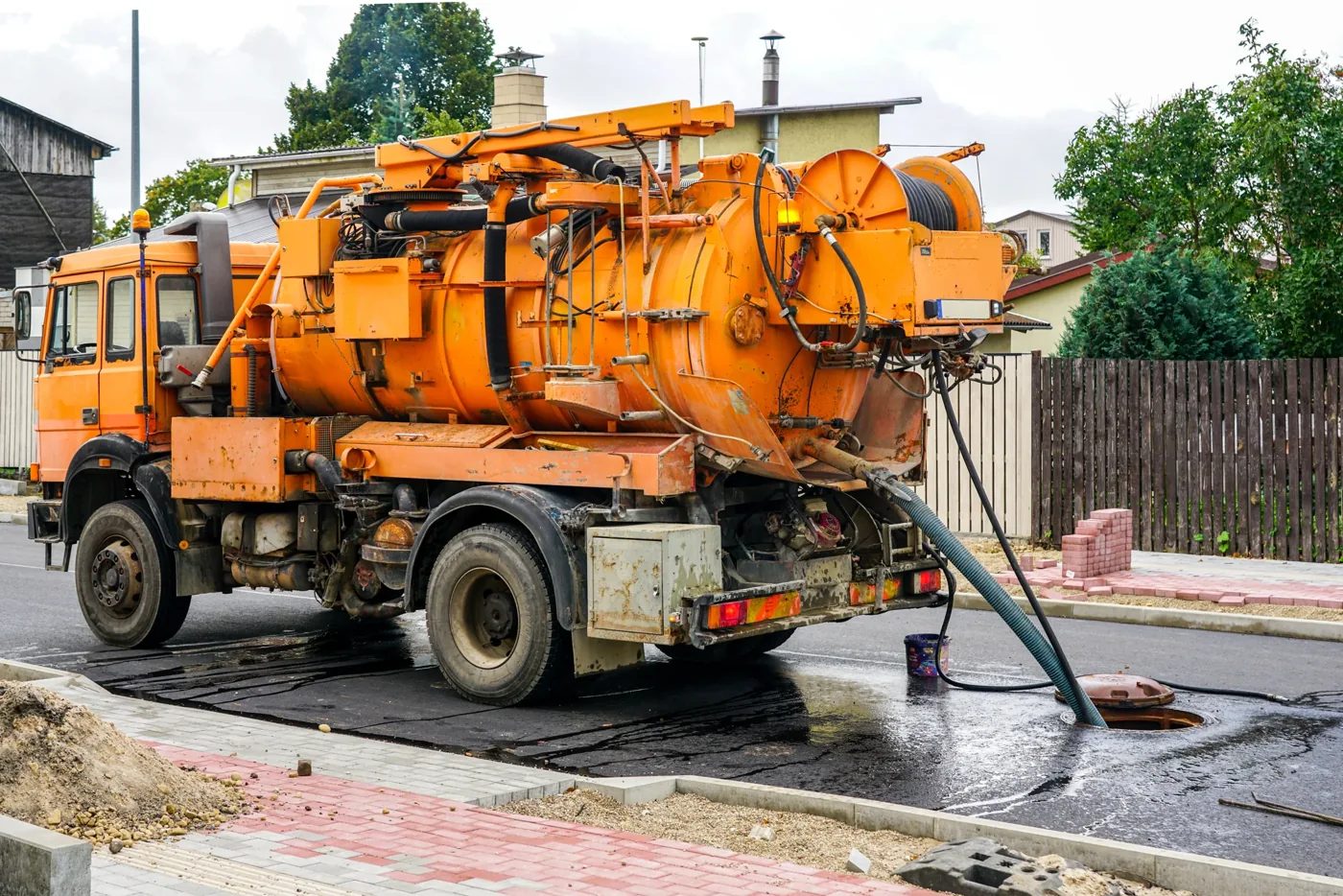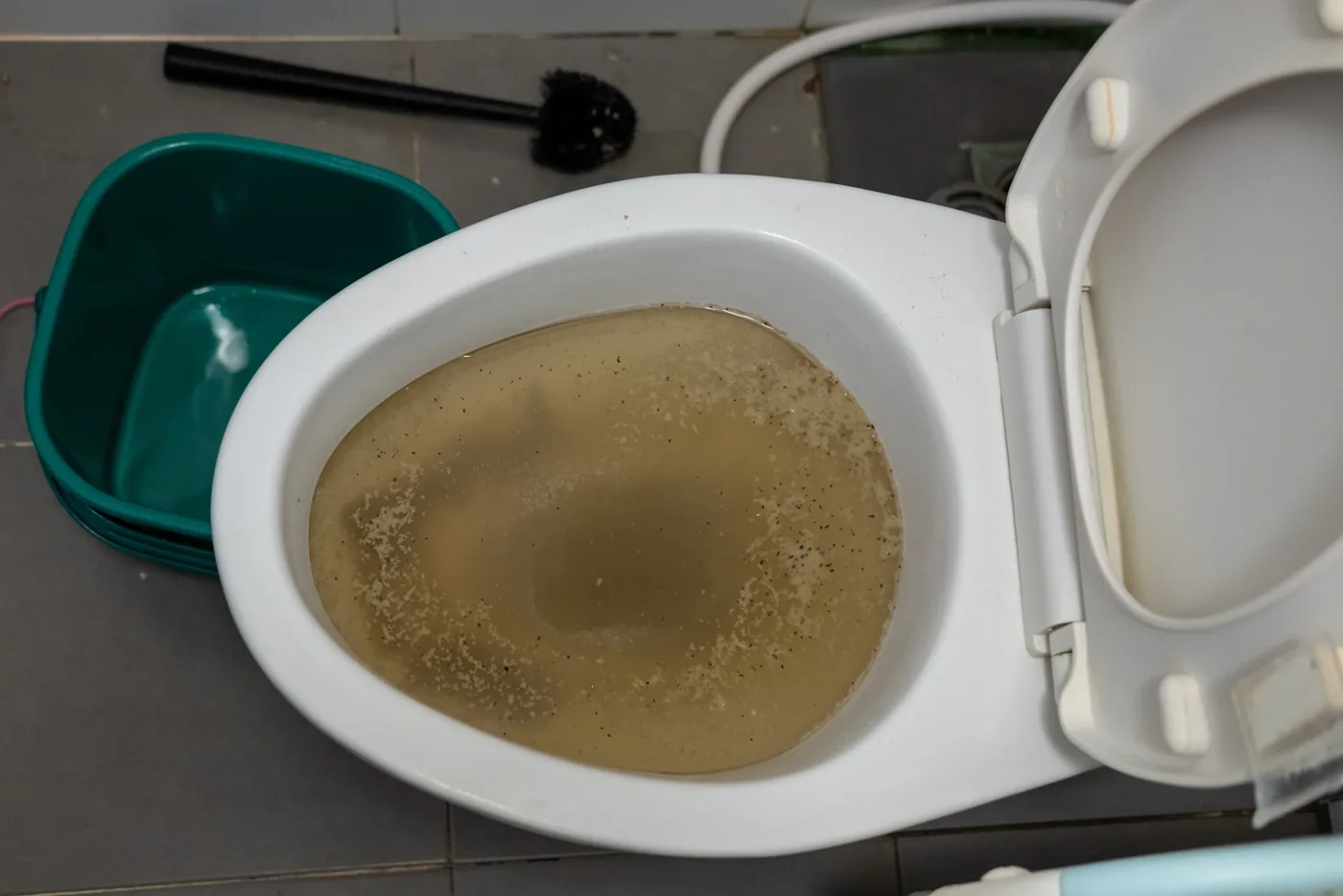
When several toilets block at the same time in a commercial building, stop using the affected facilities and establish whether they connect to the same drainage pipe. Simultaneous failures can indicate a restriction in shared pipework rather than separate problems with individual toilets. The number of affected fixtures, their locations and the order in which symptoms appeared can help identify where an investigation should begin.
Map which floors and facilities are affected
Begin with a simple record of the toilets showing problems. Include the floor, room number or facilities area, the time the fault was reported and what occupants experienced. Ask whether water is draining slowly, remaining unusually high in the pan or returning after another toilet is flushed.
Check reports from neighbouring washrooms and floors above or below, without repeatedly flushing toilets that may already be obstructed. A useful initial distinction is whether the problem involves:
- Several toilets within one washroom.
- Toilets in separate washrooms on the same floor.
- Facilities on different floors in the same part of the building.
- Toilets and other fixtures, such as washbasins or floor drains.
These patterns provide clues, although they cannot establish the blockage location without examining the drainage arrangement. Two toilets beside one another might share a short branch pipe. Toilets on several floors may discharge through a common vertical soil stack before connecting to an underground drain.
Where building drainage drawings exist, compare the affected rooms with the pipe routes shown. For older premises, alterations may mean the original drawings are incomplete, so record what is known rather than assuming every connection is accurately represented.
Identify signs of a shared downstream restriction
Multiple blocked toilets often point towards a common section of drainage when their symptoms begin close together. A shared soil stack, branch connection or underground drain may be restricted. The affected pipe could be partially obstructed, allowing limited flow, or sufficiently blocked to prevent normal discharge.
Particular observations worth recording include:
- Water rising in one toilet when another connected fixture is used.
- Gurgling or unusual water movement in neighbouring facilities.
- Several toilets becoming slow within a short period.
- Wastewater appearing at a low-level floor drain or other outlet.
These symptoms can also help distinguish a shared drainage problem from a single blocked toilet. However, symptoms alone cannot identify the precise junction, pipe or obstruction involved.
If sewage backflow is occurring, prevent access to the contaminated area and avoid further discharge into the affected system. The operational concern is greater where the building has no unaffected toilets available for staff or visitors.
The Health and Safety Executive explains that workplaces must provide suitable toilet and washing facilities, including sufficient provision for the people using them. The facilities manager should therefore establish whether alternative compliant facilities remain accessible during the incident.
Prepare the information needed for urgent clearance
Before arranging urgent drain unblocking, bring together the fixture map, reported symptoms and any known drainage information. Identify accessible external chambers, plant areas and service corridors that may be relevant, without opening drainage covers or attempting to enter restricted spaces.
Explain whether the building remains occupied, whether sewage has escaped and which toilets are unavailable. Include any previous incidents involving the same rooms, particularly where an earlier obstruction was cleared but symptoms subsequently returned.
Drain ownership also matters where shared underground pipework extends beyond the building. In England, the distinction between private drains and public sewers depends on the drainage arrangement and applicable responsibility rules. The site’s blocked drain responsibility guide provides additional context.
Following clearance, confirm that the affected fixtures discharge normally before returning them to service. If restrictions recur, or clearance reveals an unresolved defect, further investigation may be needed. The immediate objective is to locate the affected drainage section, restore usable facilities and retain enough information to recognise another failure.