Older stone and brick terraces
Some of Sheffield’s older hillside terraces have drains running from rear yards or passages towards the street. Older clay pipes may have numerous joints, and roots, displaced sections or accumulated waste can restrict the flow. Converted properties may also have several waste connections feeding into the same drainage run.
Where neighbouring homes share a drain, a blockage further downstream can affect more than one property. Wastewater may appear in the lowest yard or inspection chamber even when the blockage is elsewhere along the shared pipe. Checking which properties and chambers are affected helps identify the likely location before clearance work is considered.
Workshops, yards and industrial units
The Lower Don Valley has a longstanding industrial history, with workshops, commercial premises and yards forming part of the area. Surface water gullies and channel drains in these settings can collect grit, silt, leaves and other debris. Drainage from suitable wash-down areas may also carry material that gradually restricts pipework.
Blocked yard gullies can leave water standing around entrances, loading areas and hardstanding. Clearance may involve removing debris from the gully itself or cleaning the connected drain where deposits have accumulated. On industrial and commercial drainage sites, the position of covers, vehicle access and the nature of the material in the drain all affect how the work can be approached. Jetting may be suitable for deposits along a pipe, while a gully filled with solid debris may need a different approach.
How a blocked drain is cleared
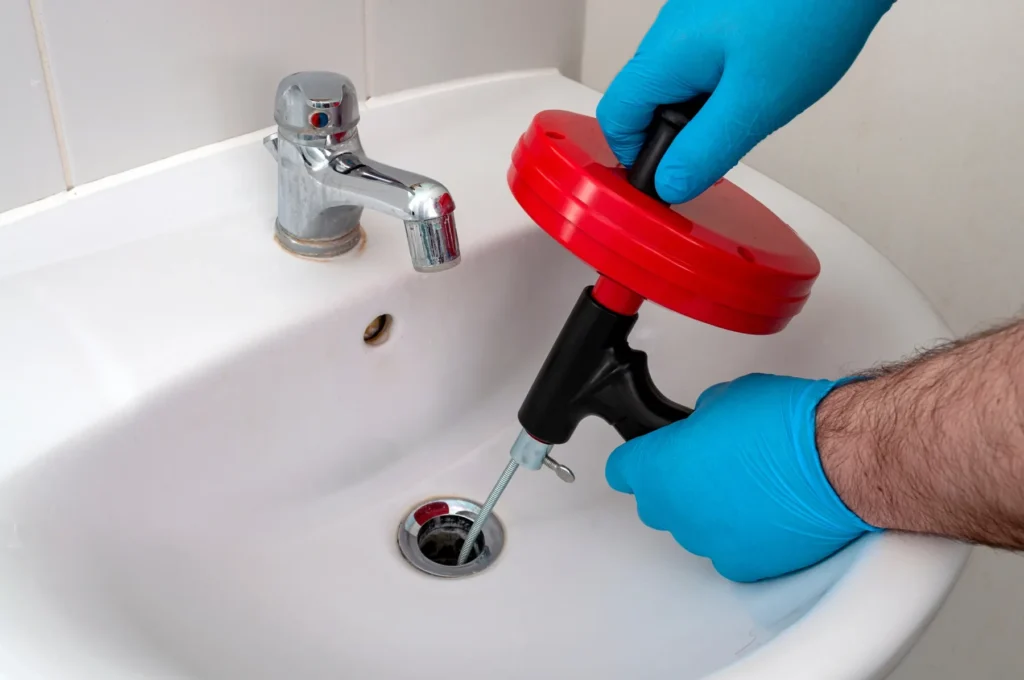
The symptoms provide a starting point. A single slow-draining sink may indicate a local waste pipe blockage, while several fixtures backing up together can suggest a restriction further along the drainage system. If an outside inspection chamber is holding wastewater, the position of other accessible chambers may help locate the affected section.
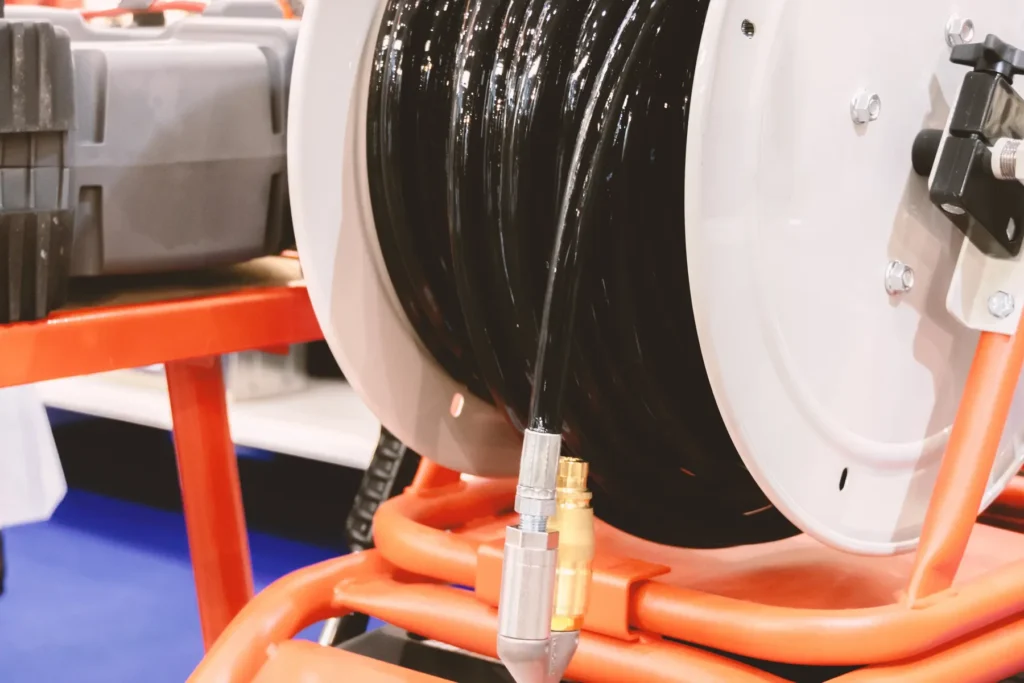
Drain rods can be suitable for some outside blockages, while mechanical cleaning or water jetting may be considered for other types of pipe and deposit. Once the obstruction has been removed, checking how water runs through the affected section helps establish whether normal flow has returned. If a drain continues to block, its condition may need further investigation rather than another clearance of the same deposit.