Back lanes, yards and blocked gullies
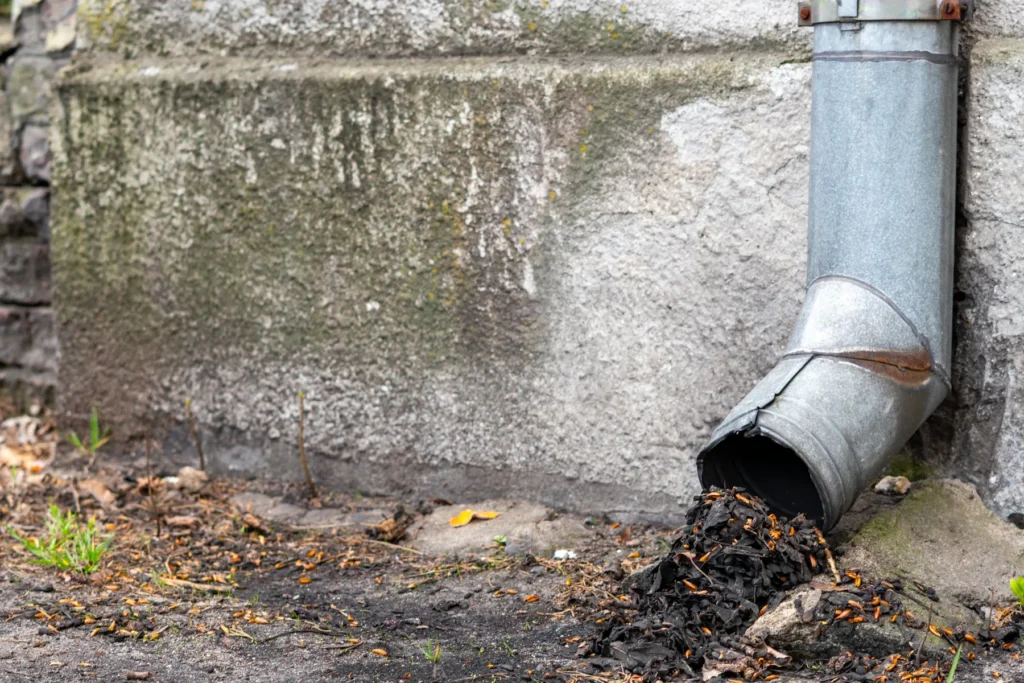
Terraced properties in Newcastle often have paved yards, rear access lanes and gullies receiving water from roofs and outside surfaces. Leaves, moss, grit and silt can collect around the gully outlet, reducing the amount of water that can pass through. When rainwater cannot drain away, it may collect around the gully or spread across the yard.
Clearing blocked gullies can involve removing accumulated material from the gully pot and checking the connecting pipe. If the gully is clear but water still stands in it, the restriction may be further along the underground connection.
Responsibility for a gully depends on where it is located and what drainage system it serves. Highway gullies on adopted roads are generally maintained by the relevant highway authority. Private yard gullies are normally the property owner’s responsibility. Newcastle City Council also acts as the city’s Lead Local Flood Authority, although that is a separate role from routine drain unblocking.
Blocked drains in shops and commercial premises
Shops, offices, restaurants and other commercial premises can experience blockages in waste connections, underground drains and shared drainage runs. In buildings with flats above commercial units, waste pipes from different parts of the property may connect to the same drainage system.
Food premises can also develop deposits of fat, grease and food waste inside drainage pipes. These deposits gradually restrict the available opening and can catch other material passing through the system.
Commercial drain clearance involves identifying the affected section and selecting a suitable method of removal. Where deposits remain along the inside of the pipe, drain cleaning services may be appropriate rather than treating only the immediate obstruction.
How blocked drains are cleared
The method used depends on the type and location of the blockage. Drain rods or a powered cable can be suitable for some restrictions where there is appropriate access. High-pressure water jetting can help remove accumulated grease, silt and other deposits from underground drainage runs.
Inspection chambers provide useful access for locating standing water and checking whether a restriction lies upstream or downstream. Where a blockage repeatedly returns, or the removed material suggests pipe damage, a CCTV drain survey may help identify displaced joints, root intrusion or other defects.
Once the obstruction has been removed, checking the affected drainage run helps establish whether wastewater is moving away properly. Where access or pipe condition limits what can be inspected, further investigation may be needed to understand the cause of the problem.