Drain Unblocking London

Drain unblocking in London for converted houses, mansion blocks, basements and commercial premises. Blockages can affect individual waste pipes or shared drainage runs, so locating the restriction is an important part of getting the drain flowing again.

HomeDrain Unblocking London

Drain Unblocking London enquiry

Blocked drains in London buildings

When a drain backs up in London, the first job is finding where the restriction actually sits. In a terrace split into flats, a mansion block or a parade of shops with flats above, several households or businesses may discharge into one run. The toilet or gully that overflows may therefore be some distance from the blockage. Drain clearance involves checking suitable access points, following the direction of flow and locating the obstruction. Depending on the pipe and the material causing the blockage, rodding, mechanical cable equipment or water jetting may be suitable. Running water through the affected fittings after clearance helps establish whether normal drainage has been restored.

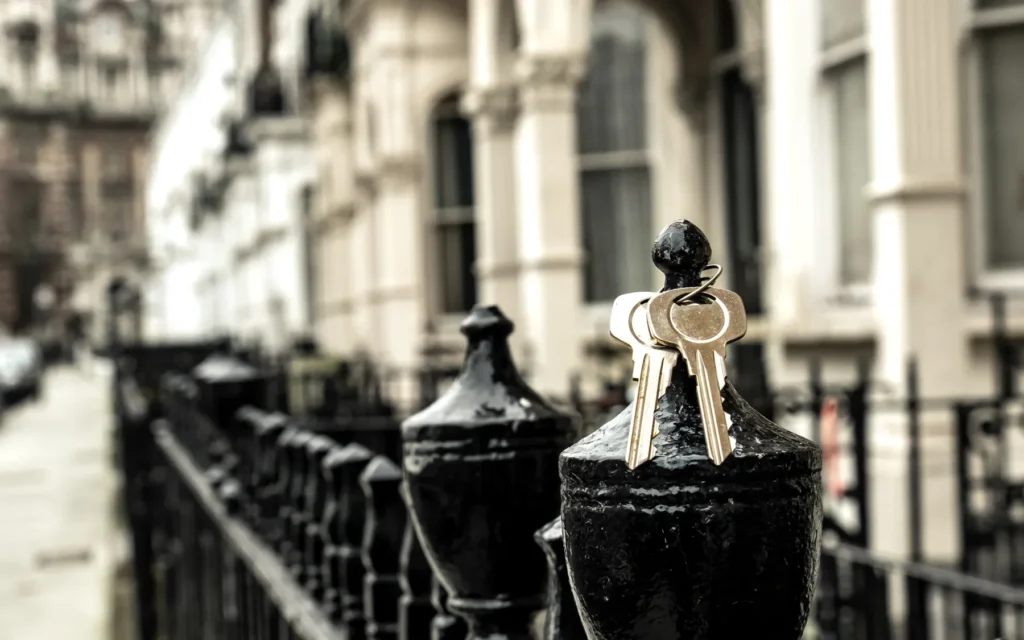
House keys hanging on black iron railings in front of a row of white-fronted terraced houses.

Shared drainage runs

In converted houses and blocks, identifying the affected drainage run helps locate restrictions that may be away from the overflowing fitting.

Public or private drains

The position of a blockage helps establish whether the affected section is privately maintained or part of Thames Water's sewer network.

Basement drainage

Pumps and anti-flooding valves can be relevant when investigating drainage problems affecting basements and lower ground floors.

Thames Water sewers and your private drain

Thames Water is responsible for public sewers in London. Since October 2011, many previously private sewers shared by more than one property, and lateral drains serving a single property beyond its boundary, have been the sewerage company’s responsibility where they connect to the public sewerage network. A drain serving only one property within its boundary is usually the property owner’s responsibility. In London terraces and converted buildings, drainage arrangements can be complicated by neighbouring properties joining a common run. Identifying where the blockage sits helps establish whether it belongs to the private drainage or a public sewer. Blockages in Thames Water’s network can be reported to Thames Water. Our guide to who is responsible for blocked drains explains the distinction in more detail.

Basements and lower ground floors

Basement flats, lower ground floor kitchens and below-street commercial units can be affected by restrictions further downstream. Wastewater may back up through low-level fittings when it cannot discharge properly. Building Regulations guidance says drainage from basements containing sanitary appliances should be pumped where the sewerage undertaker considers the risk of sewer surcharge high. Where that risk is considered low, an anti-flooding valve is identified as an alternative. When investigating a drainage problem affecting a basement, it is useful to establish whether a pump or anti-flooding valve forms part of the system. A pump fault, valve problem or obstruction in the pipework can produce similar symptoms, but the appropriate remedy depends on identifying the cause.

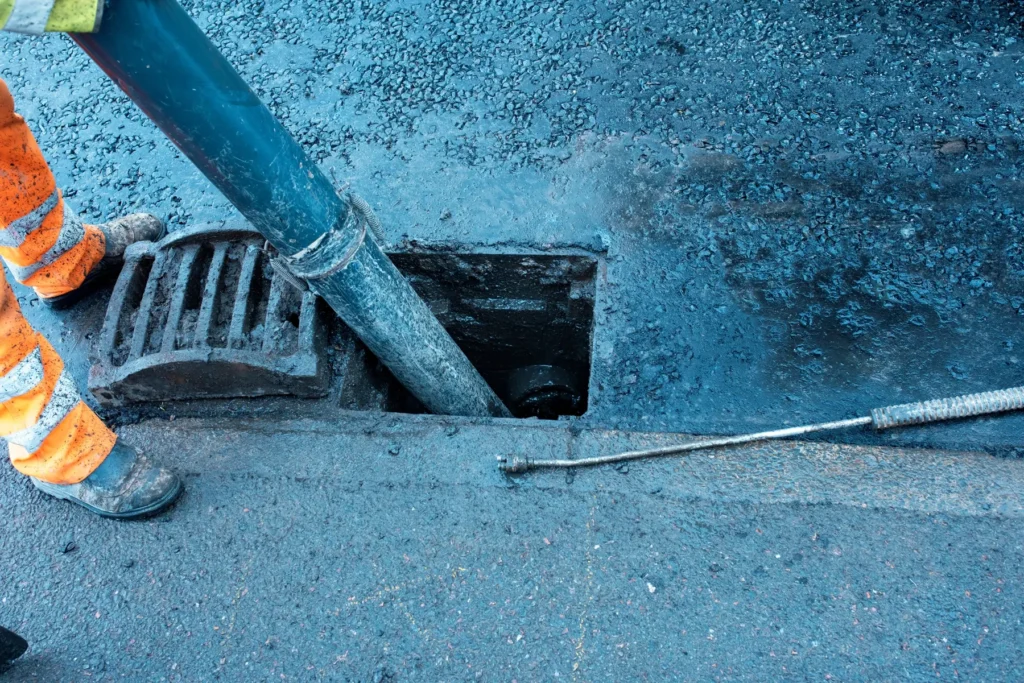
Suction hose clearing silt from a road gully beside its lifted grate.

Blocked drain in London?

Tell us which fittings are affected and where the access points are, and we will get back to you.

Older combined drainage under London streets

Central London has an extensive combined sewer system carrying rainwater and foul sewage through the same network, including sections dating from the Victorian era. Some older properties have clay or cast iron drainage, with roof downpipes and yard gullies connected to the same drainage run as toilets and sinks. A partly restricted drain may appear to function during dry weather but struggle when additional rainwater enters the system. Water backing up at a low-level gully can indicate a restriction, although the condition of the downstream sewer also matters. Root entry, displaced pipe joints and hard deposits can contribute to recurring drainage problems. Clearing an obstruction addresses the immediate restriction, while a CCTV drain survey may help establish whether damaged pipework or another underlying defect needs attention.

Restaurants, offices and managed blocks

Commercial drainage presents different problems depending on the premises. Building Regulations guidance says drainage serving kitchens in commercial hot food premises should have a grease separator or another effective means of grease removal. Even where grease management is installed, fat and grease can accumulate in downstream pipework and restrict the flow. Office and retail washrooms may develop scale deposits in urinal wastes and other drainage connections. In residential blocks, shared soil stacks and underground drainage runs can carry wastewater from several flats. A restriction in a common section may affect multiple occupants rather than one individual property. For managing agents and facilities teams, drainage for managed blocks can involve shared drains, inspection chambers and gullies serving private courtyards or estates. Southwark Council explains that gullies and drainage systems on private roads or estates are the responsibility of the landowner or private management company.

What helps identify the blockage

The pattern of the problem can help narrow down where a drain is blocked. A single slow-running sink may indicate a local waste pipe restriction, while several affected fittings can point towards a shared branch or underground drain. In converted houses and managed blocks, it is useful to establish whether neighbouring flats are experiencing the same problem. The position of manholes, inspection chambers and other accessible drainage points may also help locate the affected section. For basement properties, information about any existing pump or anti-flooding valve is relevant. If you need drain unblocking in London, describe the affected fittings, the type of building and any visible backing up or overflowing. Drain clearance is also covered on our Birmingham and Leicester pages, with further locations listed under all the areas we cover.

Drain Unblocking London: common questions

How much does it cost to unblock a drain in London?

It depends on where the blockage sits, how the drain is reached and which method suits the pipe. A sink trap is a very different job from a shared run under a basement. Tell us the symptoms, the type of building and where the access points are, and we can explain what the work is likely to involve.

Will Thames Water unblock my drain?

Thames Water is responsible for blockages in its public sewer network. This generally includes eligible shared sewers and lateral drains beyond individual property boundaries that connect to the public system. A drain serving only your property within its boundary is usually your responsibility. Establishing where the restriction sits helps determine whether the problem should be reported to Thames Water.

Who is responsible for a blocked drain in a house converted into flats?

Responsibility depends on which section of drainage is blocked and how the building is arranged. Eligible shared sewers connected to the public sewerage system are generally the sewerage company's responsibility. Internal pipework and communal drainage within a converted building may fall under leasehold or freeholder arrangements. The managing agent or freeholder may need to establish responsibility for those sections.

Why does my basement drain back up when it rains?

Parts of London have combined sewers carrying rainwater and foul sewage. Heavy rain can increase flows and sewer levels, which may contribute to wastewater backing up through low-level drainage connections. A partial blockage, faulty pump or problem with an existing anti-flooding valve can also affect basement drainage. Identifying the cause is important because the remedies differ.

Do London restaurants need a grease trap?

Building Regulations guidance says drainage from kitchens in commercial hot food premises should have a grease separator or another effective means of removing grease. Even with grease removal arrangements in place, deposits can build up in downstream pipework and cause restrictions that require drain clearance.

Drain Unblocking

Services

Request a quote

Menu

Get a quote