Commercial kitchens and food production
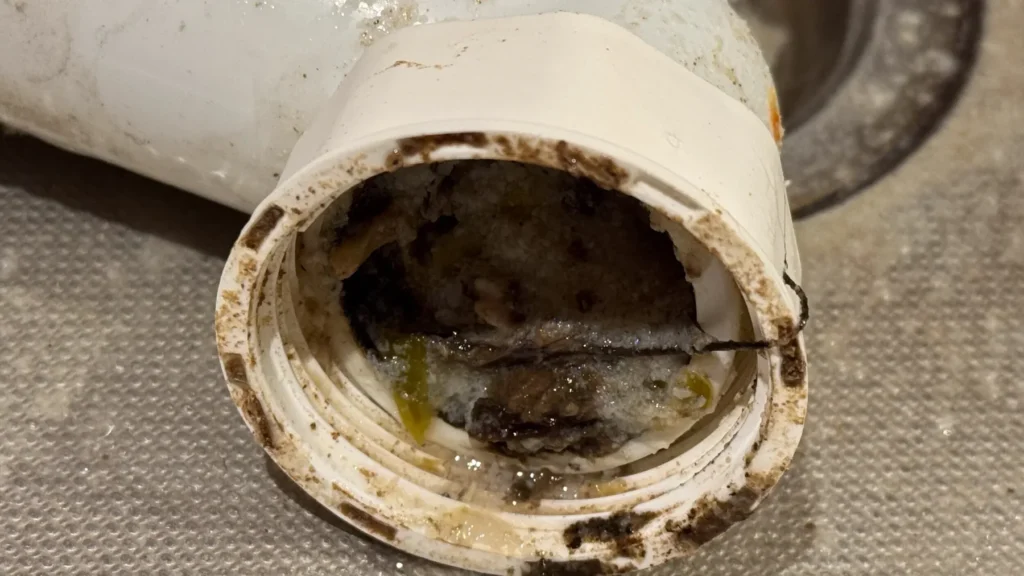
Restaurants, takeaways, canteens and food production premises can develop heavy deposits of fat, oil and food waste. Grease can collect inside traps and pipework, restricting the opening until wastewater begins to drain slowly or backs up. A blockage may be some distance from the sink where the problem first becomes noticeable.
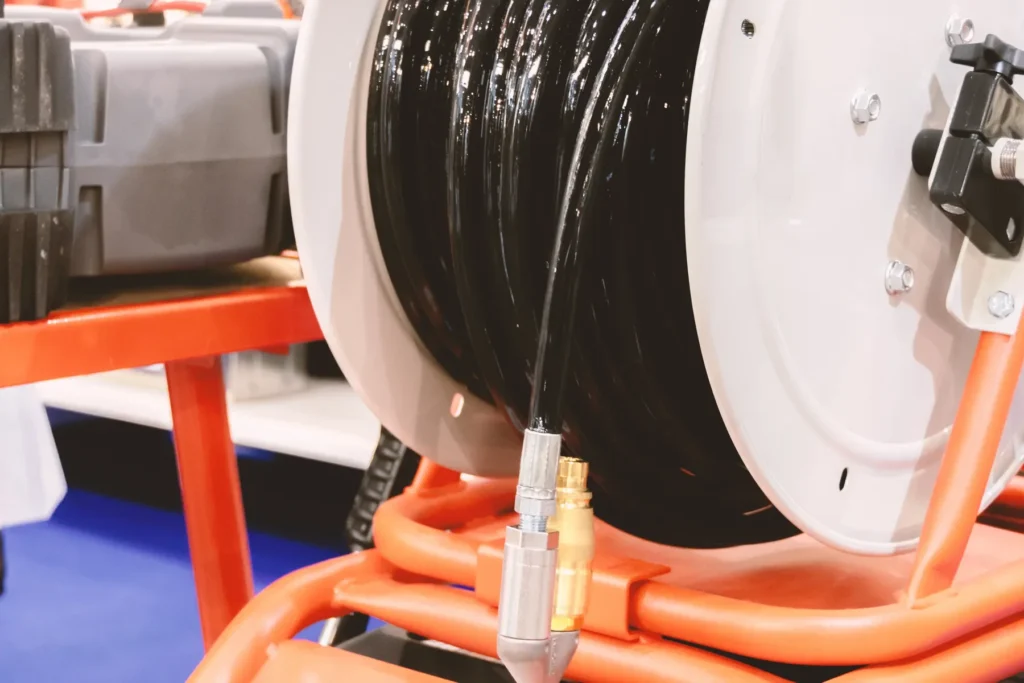
Approved Document H states that drainage serving kitchens in commercial hot food premises should have a grease separator or another effective means of grease removal. Even with grease management in place, deposits can accumulate in downstream drainage. Removing fat and grease blockages may involve cleaning the affected branch and connected pipework rather than clearing only the nearest trap. Where deposits repeatedly build up, planned drain cleaning can help manage the problem.
Offices, schools and public buildings
Busy washrooms present their own drainage problems. Paper, sanitary items and other unsuitable materials can obstruct toilet branches, while scale can restrict urinal wastes. A blockage in a shared soil stack or underground drain may affect several toilets, sometimes with wastewater appearing at the lowest connected fitting first.
In offices, schools and public buildings, identifying the affected branch or stack is important when deciding which facilities need attention. A blockage confined to one washroom is different from a problem affecting an entire building. The drainage layout, available access points and extent of the backup determine what clearance work is appropriate.
Roadside drains and rain on the site
Birmingham City Council maintains highway gullies at the edge of public roads, which collect surface water and feed it into the drainage system. Maintenance of public sewers is the responsibility of the sewerage company. Blocked or damaged highway gullies can be reported to the council.
Private yards, loading bays, car parks and service areas also rely on gullies, channels and underground drainage to carry away rainwater. Silt, leaves and other debris can build up in these systems, restricting the flow during wet weather. Clearing the gully alone may not resolve the problem if the connected underground drain is also obstructed. Establishing whether the restriction is in the trap, the connecting pipe or further downstream helps identify the work needed.
Drain unblocking information is also available for Leicester and Nottingham, alongside our other service areas.