

A drain snake service uses a flexible cable to clear suitable obstructions in sinks and other accessible waste pipes. The cable and head need to suit the fitting, pipe diameter, bends and likely blockage.
Drain Snake Service
A drain snake uses a flexible cable to clear suitable obstructions in sinks and other accessible waste pipes.
HomeDrain Snake ServiceDrain Snake Service enquiry
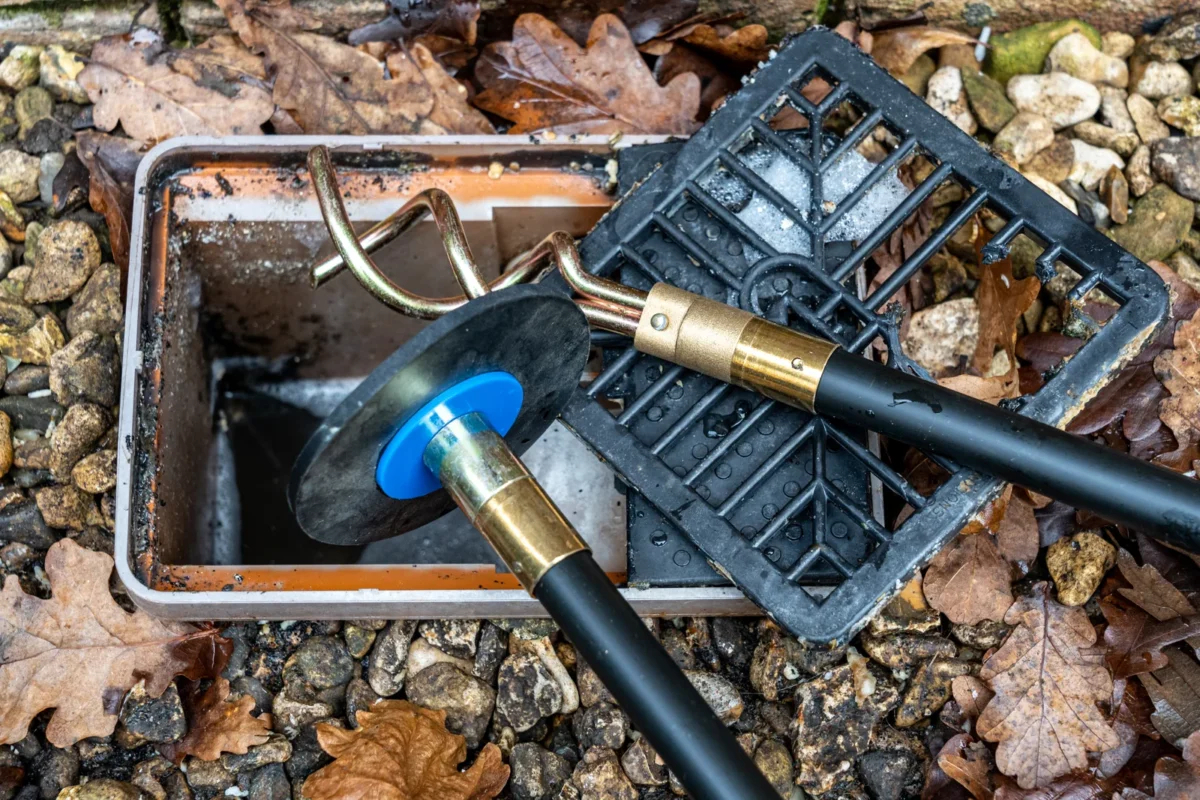
Cable and head selection
Flexible cables, toilet augers and powered cleaning heads suit different fittings and pipe routes.
After mechanical clearance
A drain snake can restore flow without cleaning every deposit along the pipe.
Choosing the cable and cleaning head
Hand cables, toilet augers and powered machines have different uses. The tool may break up soft material or help retrieve an obstruction, but forcing an oversized cable through tight bends can damage fittings or trap the equipment.
Contact us about drain snake clearance
Complete the form and we will get back to you.
Checking the result after cable clearance
Mechanical cable work can restore an opening without removing deposits from the full pipe length. We check the affected fixture afterwards and explain when more extensive cleaning may be needed.
When the cable will not pass
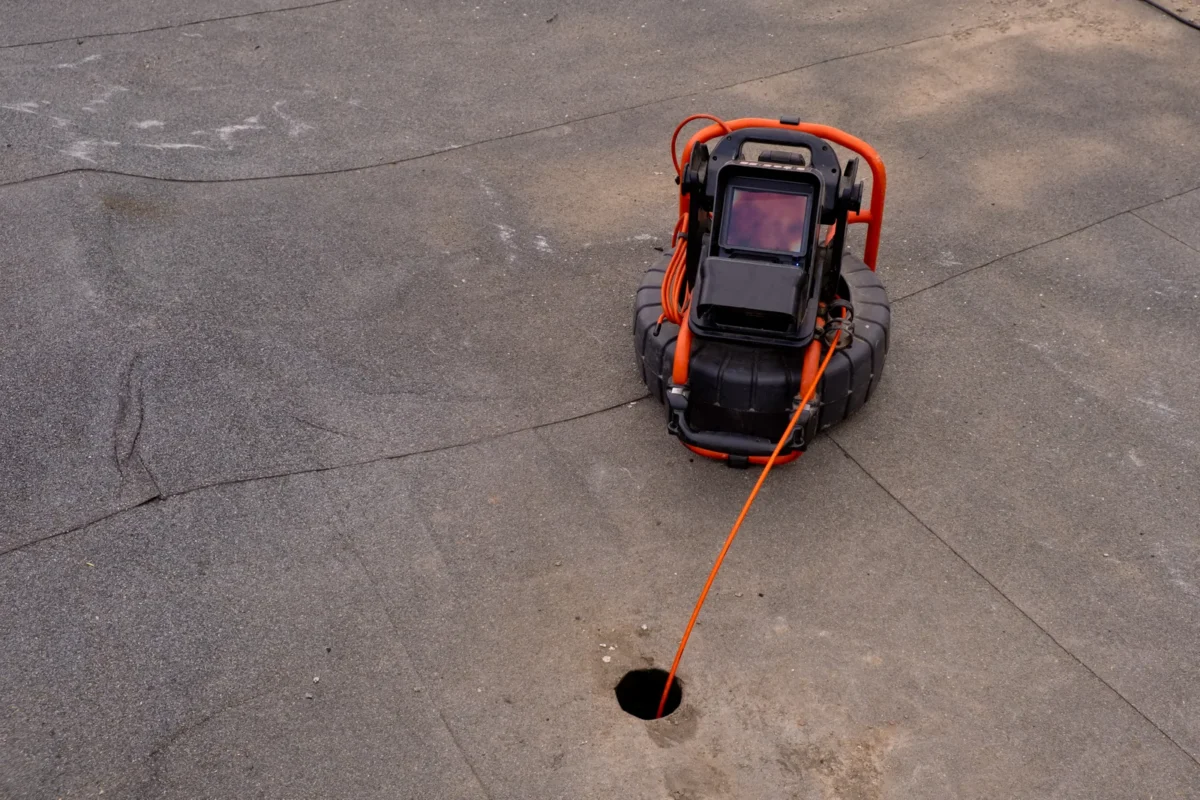
Repeated binding at the same point can indicate a tight bend, solid obstruction or damaged joint. More force is not always helpful. Alternative access or camera inspection may be needed, especially where another tool is already trapped in the pipe.
Drain Snake Service: common questions
Is a drain snake suitable for a toilet?
A toilet needs an auger or other equipment designed for its curved passage and ceramic finish.
Can a drain snake damage pipes?
Unsuitable tools or excessive force can damage fittings or leave equipment trapped.
Is snaking the same as water jetting?
No. A drain snake works mechanically through a flexible cable, while jetting uses controlled water flow.
Can a cable restore flow without removing all the grease?
Yes. Further cleaning may be needed if deposits remain along the pipe.
What if another tool is already trapped in the drain?
Its position and a suitable retrieval method should be assessed before more equipment is introduced.